
[Last updated: August 2026]
Quick answer: The 2026 South Texas dove season (South Zone) opens September 1, 2026 and runs through October 25, then reopens December 18, 2026 through January 21, 2027. The daily bag limit is 15 doves, shooting hours are 30 minutes before sunrise to sunset, and for the first time ever the South Zone opens the same day as the rest of Texas, with the old Special White-winged Dove Days retired for good.
If you’ve hunted South Texas doves before, 2026 is the year to unlearn the old calendar. This is the biggest shake-up to the South Zone in decades, and we’ve been watching it come down the pipe since the first proposals last winter. Below is everything that actually matters for planning your season, dates, zones, limits, licenses, and where the birds are, straight from the Texas Parks & Wildlife Commission’s approved 2026–2027 regulations, in plain English.
2026 Texas Dove Season Dates by Zone
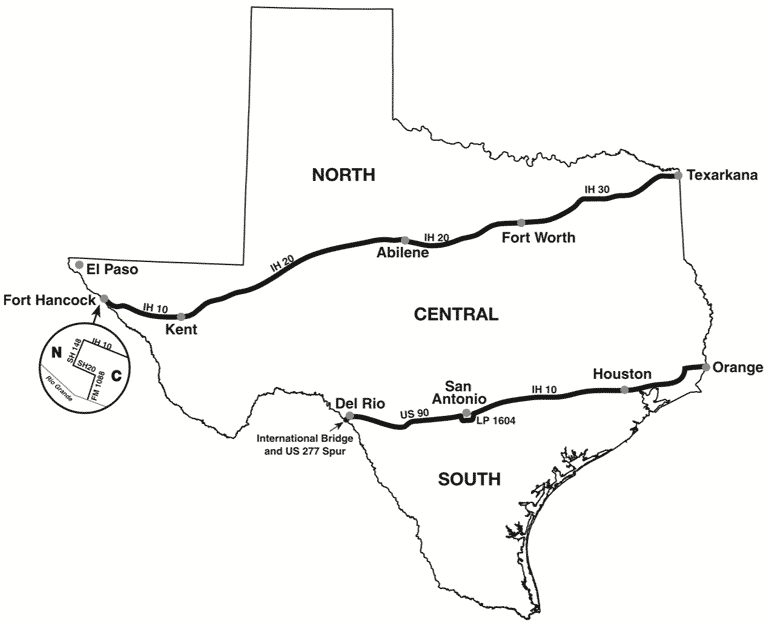
Texas runs three dove zones, North, Central, and South. Here’s the part that’s new: for 2026, the Commission moved the South Zone opener up to September 1, so all three zones now kick off on the same day. The official approved dates:
| Zone | First Split | Second Split |
|---|---|---|
| North Zone | Sept. 1 – Nov. 8, 2026 | Dec. 18, 2026 – Jan. 7, 2027 |
| Central Zone | Sept. 1 – Oct. 25, 2026 | Dec. 11, 2026 – Jan. 14, 2027 |
| South Zone | Sept. 1 – Oct. 25, 2026 | Dec. 18, 2026 – Jan. 21, 2027 |
These dates were approved by the Texas Parks and Wildlife Commission at its March 2026 meeting in Austin. Doves are migratory, so Texas has to set its seasons inside a federal framework, which is exactly why these dates move around year to year. Always double-check the current TPWD Outdoor Annual before opening morning.

Where Is the South Zone in Texas?
This trips up more hunters than any other single question, so let’s settle it. The South Zone covers everything below a line that runs east to west under I-10, dropping beneath Loop 1604 around San Antonio and following below US-90 out to Del Rio. In practice, that’s the entire lower third of the state: the Rio Grande Valley, the brush country, and the deep-south ranch land where white-wings stack up by the thousands.
Lopez Ranch Properties sits squarely in the heart of it, between Zapata and Hebbronville, across portions of Jim Hogg and Zapata County, about an hour south of Laredo. If you’re hunting anywhere near a zone boundary, check your exact GPS against the official TPWD zone map, because those lines follow highways, not county borders.
What Changed for 2026, and What Almost Did?
Three things you’ll want to understand before you plan:
1. The South Zone finally opens September 1. For years, South Texas was the only dove zone in the country held back by a federal rule that wouldn’t let it open before September 14. After TPWD brought fresh biological data to the U.S. Fish and Wildlife Service, and after nearly 80% of almost a thousand public comments backed the change, that restriction was lifted. The payoff: two extra weeks of prime early-season shooting, and a true statewide opening day.
2. The Special White-winged Dove Days are gone. Those special early-September white-wing weekends existed to give the South Zone some early action before the regular season could legally start. With the September 1 opener, they’re no longer needed. They’ve been eliminated, and standardized bag limits and shooting hours now apply across every day of the South Zone season. One clean set of rules from open to close.
3. The Thanksgiving change that didn’t happen. Here’s the detail most write-ups skip: there was a second proposal on the table to shove the South Zone’s winter split back to Thanksgiving week. The Commission tabled it, so the late split stays put at December 18 to January 21. If you heard rumors about a Thanksgiving-week reopener, that’s why they didn’t pan out.
Bag Limits and Possession Limits
Simple and consistent all season now:
| Limit type | Amount |
|---|---|
| Daily bag limit | 15 doves total (mourning, white-winged & white-tipped combined) |
| White-tipped sub-limit | No more than 2 per day (counts toward the 15) |
| Possession limit | 45 doves (3× the daily bag) |
| White-tipped possession | 6 (3× the daily sub-limit) |
The daily limit is 15 in the aggregate with no more than two white-tipped, and possession runs three times the daily bag. The difference matters in the field: your daily limit is what you can shoot in a day, while possession is the total you can legally have on hand across multiple days before the birds are cleaned and stored.
Legal Shooting Hours
Across all three zones, all season: one-half hour before sunrise to sunset. That hands you both the morning feeding flight and the evening flight, the two windows where a South Texas field comes alive. Check local sunrise/sunset times for your exact hunt date.
Get this squared away before you’re standing in a field on September 1:
- A valid Texas hunting license for the 2026–2027 season.
- A Migratory Game Bird Endorsement added to that license.
- HIP (Harvest Information Program) certification is free, quick, and required for every migratory bird hunter.
- Hunter education certification if you were born on or after September 2, 1971.
The migratory bird endorsement plus HIP certification is required to hunt dove; you tell the license clerk you intend to hunt migratory birds and answer a few HIP questions. No federal duck stamp needed for dove; that one’s waterfowl only.
The Three Doves You’ll Hunt in South Texas
South Texas isn’t just a place to hunt dove; it’s arguably the place. Texas produces roughly a third of all mourning doves and about 87% of all the white-winged doves harvested in the entire country each year, with close to 50 million birds in the state and more than 300,000 hunters chasing them. Down here in the South Zone, you’ll run into three species:
- Mourning dove – the fast, twisting, gray classic most hunters picture. Widespread and never as easy to hit as it looks.
- White-winged dove – bigger, blockier, and concentrated heavily in South Texas near the Rio Grande. White-wings are the signature bird of a South Zone hunt, and the reason serious dove hunters point their trucks south.
- White-tipped dove – a quieter, ground-loving brush-country bird with its own 2-per-day sub-limit. Learn to tell it apart before you pull the trigger.
That species mix, warm early-September weather, and sheer bird numbers are what put deep South Texas on every serious dove hunter’s list.
A Quick Word on Where the Birds Are
Great dove hunting is really about food, water, and flight lines; birds run the same invisible highways between roost, feed, and water every day. Find that line and set up on the edge of it near a feed field or a stock tank, and you’ll do most of your work before the first shell. We go deep on this in our [complete guide to getting the best experience from your dove hunt], but the short version is: hunt the mornings and evenings, get on the water in the midday heat, and stay hidden.
Planning Your 2026 South Texas Dove Hunt
Here’s the honest truth about opening weekend on public or crowded ground: everybody’s there, the birds get pressured fast, and by mid-morning the shooting’s over. That’s why more hunters plan their opener on private land, and why guided dove hunts in South Texas book out early.
Lopez Ranch Properties sits in the heart of the South Zone, more than 13,000+ acres of private, family-owned brush country between Zapata and Hebbronville, about an hour from Laredo. The ranch stayed closed to all but family and friends for generations, so our birds haven’t been hammered the way public fields have. We run guided dove hunts over managed fields and senderos where wild mourning and white-winged doves move in the numbers this country is famous for. You show up; we put you on the birds. For groups staying over, there’s a comfortable lodge, home-style South Texas meals, and the easy pace of a working ranch when the guns are cased.
We’re built for groups, corporate outings, and private parties, so one thing to know up front: our guided hunts run for groups with a minimum of 8 hunters per hunt. With the new September 1 opener drawing more hunters into that first week, the best dates go early. If you’re planning a 2026 South Texas dove hunt, lock your group in now.

The Bottom Line
The 2026 South Texas dove season is a genuine milestone: a September 1 opener, one simple set of rules, and standardized limits from the first morning to the last. Get your license, endorsement, and HIP certification handled, circle the South Zone dates, Sept. 1 to Oct. 25, then Dec. 18 to Jan. 21, scout your field early, and you’ll be set up for one of the best openers South Texas has handed hunters in years.
Frequently Asked Questions
When does the 2026 South Texas dove season start?
The South Zone opens September 1, 2026, the first time it’s aligned with the rest of the state. The first split runs September 1 to October 25, 2026, and the second split runs December 18, 2026 to January 21, 2027.
Is dove season open in South Texas right now?
The South Zone opens September 1, 2026. Before that date, the season is closed; after October 25 it pauses until the December 18 winter split. Always confirm against the current TPWD Outdoor Annual for your exact hunt date.
Where is the South Zone for dove hunting in Texas?
The South Zone covers the lower third of Texas, everything below a line running under I-10, beneath Loop 1604 near San Antonio, and below US-90 to Del Rio. It includes the Rio Grande Valley and the deep-south brush country around Zapata and Hebbronville.
What is the dove bag limit in Texas for 2026?
Fifteen doves per day in the aggregate, mourning, white-winged, and white-tipped combined, with no more than 2 white-tipped per day. The possession limit is 45 (three times the daily bag).
How many doves can you shoot per person in Texas?
Each licensed hunter may take their own daily bag of 15 doves. Limits are per person, not per group or per field.
What happened to the Special White-winged Dove Days?
They’ve been eliminated for the 2026–2027 season. With the South Zone now opening September 1, the special early white-wing weekends were no longer needed, so standard bag limits and shooting hours apply all season.
Why is dove season split into two parts?
The split lets hunters take advantage of two different bird movements, the early-fall migration in September and October, and the wintering birds that concentrate in local fields and water in December and January.
What are the legal shooting hours for dove in Texas?
One-half hour before sunrise to sunset, in all three zones, every day of the regular season.
What license do I need to hunt dove in Texas?
A valid Texas hunting license, a Migratory Game Bird Endorsement, and HIP certification. Hunters born on or after September 2, 1971 also need hunter education certification. No federal duck stamp is required for dove.
Can you shoot white-winged dove in Texas?
Yes. White-winged doves are legal game and count toward your 15-bird daily aggregate limit. South Texas holds the country’s heaviest white-wing concentrations.
Do you have to wear blaze orange to dove hunt on private property?
Texas does not require blaze orange for dove hunting. That said, wear muted, earth-tone colors so you don’t flare birds, and always keep safe muzzle awareness in a spread-out field.
Which part of Texas has the best dove hunting?
The South Zone is a perennial favorite thanks to its massive white-winged dove numbers, warm early-September weather, and expansive private ranch land, the kind of hunting Lopez Ranch Properties offers near Zapata and Hebbronville.
Can I book a guided dove hunt in South Texas for 2026?
Yes. Lopez Ranch Properties runs guided South Zone dove hunts on private land near Zapata and Hebbronville, with lodge stays and meals available. Guided hunts are booked for groups of at least 8 hunters, and the best opening-week dates fill early.